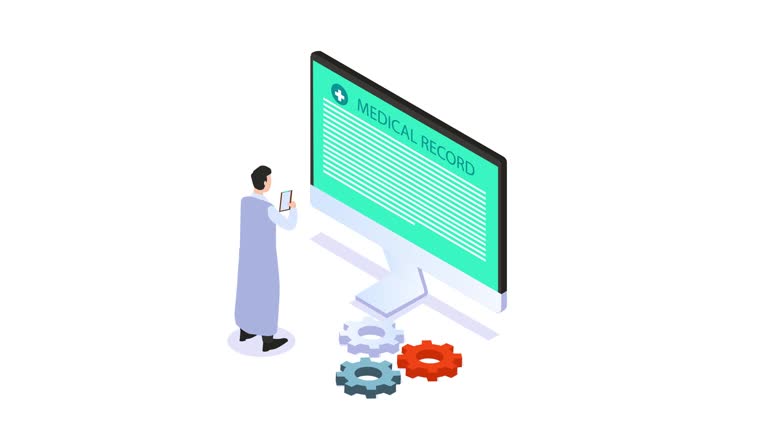
How Custom Software Transforms Healthcare Operations
Custom software offers more than just efficiency; it reshapes how healthcare professionals interact with patients, streamline operations, and ensure compliance with regulations.

The healthcare industry is in the midst of a digital revolution, and custom software is at the forefront of this transformation. As hospitals and clinics strive to enhance patient care while managing costs, they are turning to tailored technological solutions that fit their unique needs. With each new development, the way we deliver medical services evolves dramatically.
Custom software offers more than just efficiency; it reshapes how healthcare professionals interact with patients, streamline operations, and ensure compliance with regulations.
In an era where every second counts and data security is paramount, understanding how custom software transforms healthcare operations can provide both insight and inspiration for those within the field. Let’s dive into how these innovative tools are changing lives—one line of code at a time.
The Benefits of Custom Software for Healthcare Operations
Custom software tailored for healthcare operations brings a plethora of advantages. First and foremost, it enhances efficiency by streamlining workflows. Routine tasks become automated, allowing staff to focus on patient care rather than administrative duties.
Another significant benefit is improved data management. Custom solutions can organize vast amounts of information securely, ensuring that healthcare providers have quick access to critical patient data when needed.
Additionally, custom software offers scalability. As healthcare facilities grow or change their services, the software can evolve alongside them without requiring a complete overhaul.
Direct integration with existing tools and systems fosters better communication among departments. Enhanced collaboration leads to more coordinated care and ultimately improves patient outcomes.
Examples of Successful Implementation
One standout example of successful custom software implementation is the electronic health record (EHR) systems used by numerous hospitals. These tailored solutions streamline patient information management and enhance communication between departments.
Another impressive case involves a telemedicine platform developed for rural clinics. This software connects patients with specialists who are miles away, ensuring timely care without the need for travel.
Pharmacies also benefit from custom inventory management systems that track medication supplies in real-time. This not only reduces waste but ensures that critical medications are always available when needed.
In addition, some healthcare organizations have adopted AI-driven analytics tools to predict patient outcomes and optimize treatment plans based on individual data patterns. Each of these examples illustrates how targeted software can address specific challenges within healthcare operations effectively.
Ensuring Data Security and Compliance with Custom Software
Data security is paramount in healthcare. Custom software offers tailored solutions to safeguard sensitive patient information.
Implementing encryption protocols ensures that data remains confidential during transmission and storage. This protects against unauthorized access, a critical concern for any healthcare organization.
Regular updates and audits also play a vital role in maintaining security standards. A proactive approach helps identify vulnerabilities before they become significant issues.
Training staff on best practices further strengthens data protection efforts. When employees understand their role in safeguarding information, it creates a culture of awareness within the organization.
Challenges and Solutions for Implementing Custom Software in Healthcare
Implementing custom software in healthcare can be a daunting task. One major challenge is the resistance from staff accustomed to traditional methods. Change management strategies are essential for easing this transition.
Training sessions and workshops foster familiarity with new systems, encouraging acceptance among team members.
Another hurdle involves integration with existing technologies. Many healthcare facilities use legacy systems that may not mesh well with new solutions. A thorough assessment of current infrastructure helps identify compatibility issues early on.
Data security also poses significant concerns due to sensitive patient information being handled by the software. Employing robust encryption protocols and regular security audits ensures compliance and protects against breaches.
Budget constraints often limit resources available for such implementations. Prioritizing features based on immediate needs helps allocate funds effectively while still delivering impactful results over time.
The Future of Custom Software in Healthcare
The future of custom software in healthcare is brimming with potential. As technology advances, solutions will become even more tailored to specific needs.
Artificial intelligence and machine learning are set to revolutionize patient care. Custom software can analyze vast amounts of data, providing insights that improve diagnoses and treatment plans.
Telemedicine will continue to expand, offering remote consultations powered by sophisticated platforms. This accessibility helps bridge the gap for patients in rural areas or those unable to visit facilities in person.
Integration with wearable devices is on the rise as well. Custom applications will allow real-time monitoring of vital signs, enhancing proactive care strategies and reducing hospitalizations.
As these technologies evolve, they promise not just efficiency but also improved health outcomes for individuals everywhere.
Conclusion
Custom software is undeniably reshaping the healthcare landscape. It streamlines operations, enhances patient care, and drives efficiency in ways that off-the-shelf solutions simply cannot match. The benefits are vast and varied, from tailored workflow management to improved data collection processes.
As successful implementations showcase, healthcare providers can significantly boost their operational performance by leveraging custom solutions designed specifically for their needs. However, while the promise of custom software is substantial, challenges such as data security and compliance remain critical considerations. Addressing these hurdles with robust strategies ensures a smoother transition and integration into existing systems.
Looking ahead, the role of custom software will likely expand further within healthcare settings as technology continues to evolve. Organizations that prioritize bespoke solutions stand to gain a competitive edge in delivering quality care more effectively.
The journey toward adopting custom software may be complex but ultimately rewarding. By embracing this transformation now, healthcare organizations can pave the way for a brighter future filled with innovation and improved patient outcomes.