Estimated Cost to Make a SaaS MVP in 2026
how much does it really cost to make a SaaS MVP? The answer isn't simple and depends on a number of things. As technology evolves, so do development methods and associated costs.
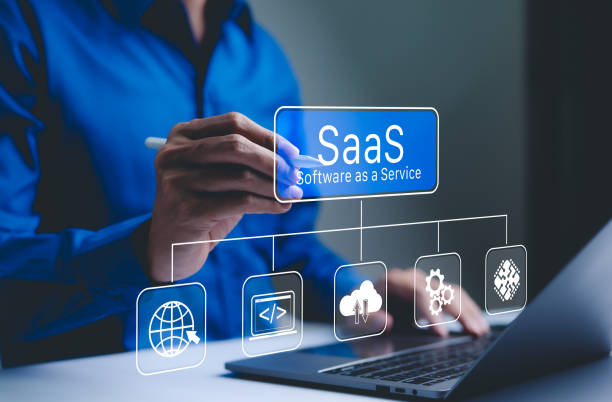
In the past few years, the software industry has changed a lot, making room for new business methods like Software as a Service (SaaS). It gives you more freedom and room to grow than regular software.
Making a Minimum Viable Product (MVP) is often the first thing that entrepreneurs do when they want to get into this lucrative market. With an MVP, you can try your idea with few resources and get useful feedback from real users.
But in 2026, how much does it really cost to make a SaaS MVP? The answer isn't simple and depends on a number of things. As technology evolves, so do development methods and associated costs. Knowing these details can help you make smart plans and make your idea come true without spending a lot of money. What are those costs, and how can you make your way through this exciting journey?
The Benefits of Building an MVP for a SaaS Business
There are clear benefits to making a Minimum Viable Product (MVP) for your SaaS business. For starters, it lets you quickly test your idea. Instead of spending a lot of time and money on a full product, an MVP lets you test the market with little risk.
One more important benefit is that the focus is on core functions. You can speed up development and make sure that what users care about most is built first by putting important features at the top of the list. This leads to quicker feedback loops and adjustments based on real user experiences.
For early customer engagement, an MVP is also helpful. Getting possible users involved from the start makes them more loyal and helps build a community around your brand. Their feedback can help make future versions better.
Factors Affecting the Cost of Building an MVP
The cost of making a SaaS MVP depends on a number of factors. One of the most important things to think about is how hard the project is. More features usually mean higher development expenses.
The choice between hiring developers in-house and hiring outside help is also very important. In-house teams may offer better control but come with fixed operating costs. Outsourcing can give you more freedom, but prices can change depending on where the work is done and who is doing it.
Stacks of technology are another important part. Choosing modern frameworks could speed up development, but it could also cost more at first.
User experience design shouldn’t be overlooked either. A well-designed interface improves user satisfaction but adds to overall costs.
Market research is important for figuring out who your target audience is and what features they want. If you skip this step, you may have to make expensive changes to your product later on as you learn from feedback or how the competition is changing.
Estimated Cost Breakdown for Building a SaaS MVP in 2026
There are a number of costs that go into making a SaaS MVP in 2026. Knowing about each one can help you make a better budget.
Development is usually the most significant expense. Expect to allocate around $15,000 to $50,000 for basic functionality and design. This range varies based on complexity and technology stack.
Usually, the prices of design come next. A clean user interface can set you apart from rivals, costing anywhere from $5,000 to $20,000.
Hosting and infrastructure are important things not to forget. Cloud services may run between $100 and $1,500 monthly depending on your traffic expectations.
You should also think about marketing early on in the planning process. It's smart to set aside at least 10% of your total budget for the first round of outreach.
To keep things running smoothly after launch, you should think about the ongoing maintenance costs, which are usually between 15 and 20 percent of the initial development cost per year.
Tips for Keeping the Cost of Your SaaS MVP Low
Start with a clear goal. Figure out who you're trying to reach and focus on the core features that will help them. This clarity will help you avoid unnecessary features.
Think about systems that don't need much or any code. These tools can greatly speed up development and lower costs, letting you make prototypes quickly even if you don't know a lot about coding.
Outsource carefully. Look for skilled developers in regions where labor is more affordable but still reliable. Vet candidates thoroughly to ensure quality work at lower rates.
Leverage existing technologies and APIs instead of building everything from scratch. You can save time and money while improving functionality by using tried-and-true solutions.
Gather input early through user testing sessions. This lets you make quick changes based on real data, which helps you improve your MVP before putting too much work into the final product.
Case Study: Successful SaaS Startups and Their MVP Costs
A notable example is Dropbox. The founders spent about $15,000 to make a simple file-sharing platform that they launched with as an MVP. This simple build helped them test the market demand well.
Slack is another interesting case. They spent approximately $200,000 developing their MVP focused on team communication. At this stage, they put user feedback first, which helped them make features that early adopters liked.
Zoom also stands out; its founders allocated about $100,000 for their MVP aimed at video communication needs. From the beginning, they focused on how easy it was to use and how well it worked.
These startups show that investing in an MVP can take many forms and still lead to huge success. Each chose to emphasize different aspects of development based on their unique visions and market demands.
Conclusion
Building a SaaS MVP in 2026 involves careful planning and budgeting. Startups that want to make successful software solutions need to know what makes costs go up or down.
You can't say enough good things about making an MVP because it lets businesses test their ideas with little cost while getting useful feedback from users. This iterative method not only lowers risk, but it also makes it more likely that the market will accept the product.
When figuring out how much a SaaS MVP might cost, it's important to keep in mind that the price can change depending on a number of factors, such as the complexity of the design and the location and level of experience of the development team. The breakdown of the expected costs gives entrepreneurs an idea of what to expect when they start this journey.
To keep expenses manageable, adopting strategies like prioritizing core features and leveraging no-code tools can be effective. Learning from case studies of successful startups reveals practical examples of how others navigated similar challenges, often leading to impressive returns on initial investments.
As you start your own journey to make a SaaS product in 2026, keep in mind that knowing the market will help you make smart choices about your budget and strategy. Making sure your goals are clear will help you build a strong and expandable solution in the end.